From Overwhelmed to Supported: How Small Memory Care Homes Help Seniors Flourish
Business Name: BeeHive Homes of Draper
Address: 711 Pioneer Rd, Draper, UT 84020
Phone: (801) 495-3100
BeeHive Homes of Draper
Full service assisted living facility serving southern Salt Lake County offering all-inclusive Memory Care, Assisted Living, and Senior/Adult Day Care services.
711 Pioneer Rd, Draper, UT 84020
Business Hours
Families rarely begin their search for senior care from a location of calm. More often, it begins after a scare: a midnight fall, a pot left burning on the stove, a parent who roamed 3 streets over and might not find the way back. By the time someone states, "We require help," the household is currently exhausted.
That is generally when the big buildings appear on the radar. Large assisted living neighborhoods with grand lobbies, multiple dining rooms, and glossy pamphlets are highly visible. Little memory care homes, typically in peaceful communities and converted single family homes, rarely promote as loudly. Yet for lots of older grownups dealing with dementia, these small homes are where real healing and growing begin.
I have enjoyed both paths up close. I have actually seen citizens shut down in environments that were too loud, too hurried, and too unknown. I have actually also seen someone who had stopped speaking begin to hum along to a song in a calm, 10 bed memory care home kitchen area while helping to stir cookie dough. The distinction is not magic. It is about scale, structure, and attention.

This short article looks closely at how little memory care homes work, who they serve best, and what trade offs households need to comprehend before they choose.
What "small" really indicates in memory care
The term "little" can be slippery in senior care marketing. Some companies explain a 60 resident structure as "intimate." For clearness, let us define a small memory care home as a home that usually serves in between 6 and 16 seniors, generally in a house or home that feels like a regular home.
You may see them called residential care homes, board and care homes, group homes, or small assisted living. Licensing classifications vary by state, but a couple of common functions normally show up:
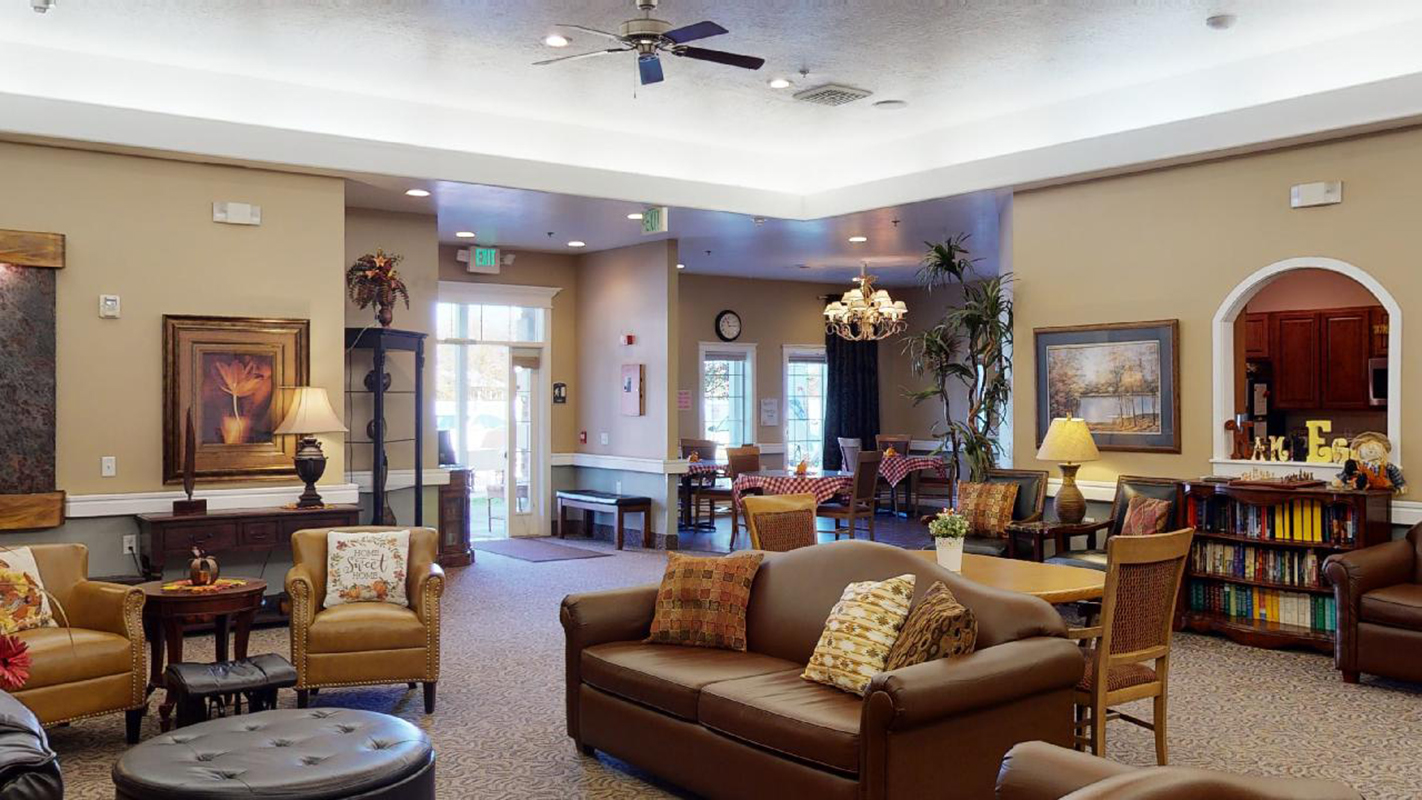
Residents share a real living-room, not a hotel style lobby. Meals are prepared in a regular kitchen area, often within view of where citizens invest their day. Bedrooms might be personal or semi private, however hallways are brief and sightlines are clear, which matters a great deal for dementia care.
The smaller sized size does not just change the look of the location. It alters the relationships inside it.
In big assisted living or memory care communities, it is not unusual for a caregiver to be accountable for 10 to 14 locals throughout a day shift, and much more during the night. In a small home, ratios of 1 to 4 or 1 to 5 throughout waking hours are common in well run operations. That distinction appears in everything from how long somebody waits to utilize the bathroom to whether staff notice that a resident stopped eating dessert today, even though it utilized to be the preferred part of the meal.
Why scale matters so much in dementia care
Dementia affects more than memory. It alters how someone processes visual information, sound, and movement around them. People who used to handle a congested restaurant without blinking might now feel overloaded by a hectic dining hall. Long passages, patterned carpets, and continuously changing personnel can become a blur.
In that context, a small memory care home has a number of integrated in advantages.
First, there is consistency. With a minimal number of citizens, the staff team tends to be smaller and more stable. The exact same 3 or four caretakers exist day after day. Locals with dementia frequently acknowledge faces and voices long after they forget names. Familiarity decreases anxiety. When a resident wakes from a nap confused, seeing the same caretaker they saw at breakfast can make the difference between a calm redirection and a complete panic.
Second, the environment is simpler and simpler to navigate. One or two common locations, an open kitchen area, and plainly marked restrooms lower the number of decisions a resident need to make to move through the day. Even simple details matter: a white toilet seat versus a tan flooring, a contrasting plate color that makes food noticeable, a front deck where somebody can sit without the threat of wandering off campus unnoticed.
Third, routine ends up being a natural rhythm instead of a stiff schedule. In large buildings, jobs must be batched to stay effective. Breakfast is "from 7 to 8:30," showers are designated to certain days, and staff needs to press to keep everyone on time. In a small home, there is more space to honor individual patterns: the late riser who wants coffee at 9:30, the early riser who likes to fold towels at dawn, the individual who constantly cleaned meals after supper and still finds comfort in that task.
None of this erases the development of dementia. It does, however, lower the everyday friction that so often leads to agitation, "habits problems," or overuse of sedating medications.
Moving from crisis management to genuine support
Families normally start looking for care due to the fact that something has actually failed. A mother who always managed bill paying unexpectedly begins missing payments. A father with early Alzheimer's gets lost while driving a familiar path. A partner can not offer 24 hr supervision any longer. At that phase, it is natural to believe in regards to risk control: avoiding falls, preventing medication errors, stopping wandering.
Small memory care homes address those safety issues, but their more powerful value depends on a more human concern: How can this individual still live a reality, inside their new limits?
One child I worked with had actually been looking after her 82 years of age father in your home for 3 years. He had moderate dementia and Parkinson's. She was increasing at 5 a.m. To assist him out of bed, managing his medications, dealing with the finances, and holding a part time task. By the time she called for aid, she was oversleeping 90 minute pieces and crying in the kitchen so he would not see her. She told me, "I simply need a place where he will be safe."
He moved into a little, 10 resident memory care home not far from their neighborhood. Safety needs were met quickly: grab bars, guidance, medication administration, monitored exits. What struck the daughter two weeks later was not the devices. It was strolling in one afternoon to find her father sitting at the kitchen table with 2 other residents, thoroughly snapping the ends off green beans. He was talking with a caregiver about the garden he used to keep.
"He has actually not looked that participated in a year," she said. "I believed we were made with that part of him."
The shift from overwhelmed to supported takes place for families along with homeowners. When a trustworthy team shares the minute by minute responsibility, partners and adult children can end up being visitors again rather of exhausted full time caregivers. That reset typically repairs strained relationships. The daughter could now sit and browse old image albums with her dad without fretting about his next dose of medication.
How little homes vary from traditional assisted living
Many families ask whether a loved one should move into general assisted living or particularly into memory care. The answer depends on the individual's requirements, their phase of dementia, and their personality long before they had any cognitive decline.
Assisted living is normally created for elders who require assist with some activities of daily living, such as bathing, dressing, or handling medications, but who do not have major roaming or behavior concerns. Citizens may have mild cognitive disability or extremely early dementia, yet still work individually in lots of ways.
General assisted living settings frequently have:
Large communal dining rooms with set meal times. Scheduled group activities like bingo, movies, or outings. Homes with kitchen spaces and locking doors. Variable staff training in dementia care.
In contrast, committed small memory care homes are customized to people who have moved further along the dementia spectrum. They focus on supervision, structure, and cueing. Doors are typically secured, many items are streamlined for security, and stimulation is purposefully moderated.
Key distinctions in daily life include the way activities are integrated. In a large assisted living building, activities are generally arranged by an entertainment director and happen at set times in specific spaces. In a small home, much of what would be called "activities" simply takes place alongside day-to-day tasks: folding laundry together, shredding lettuce, determining sugar, sweeping a patio area, listening to old music while personnel prepare snacks.
Families sometimes worry that a little home will imply less official events. What often disappears are the loud, congested events that numerous citizens with dementia could not really follow anyhow. In their place come multiple small, sensory abundant minutes that match a resident's attention period and energy level.
That said, there are trade offs. Larger assisted living or memory care communities may offer on website physical therapy, bigger outdoor areas, or specialized programs for art and music led by outside professionals. For sociable residents in earlier stages of dementia, that range can fit them well. Some households start in big assisted living with a memory care wing, then move to a smaller home when the disease advances and the environment becomes overwhelming.
The emotional environment: quieter, but not silent
A well run little memory care home has a particular sound. You see some soft conversation, a radio with standards or oldies in the background, the sizzle of something cooking, possibly a bird feeder outside the window. You do not hear chairs scraping in a hundred seat dining room, or intercom statements, or a vacuum running constantly.
For many people with dementia, that quieter backdrop lets them stay present. They can track a conversation. They are less stunned by abrupt sounds. Corridors are short, so a resident calling out is heard and reacted to rapidly instead of echoing unanswered.
The quieter environment also impacts personnel. Caretakers are closer to one another, not spread across several floors. Supervisors can see and hear what is happening in genuine time. That intimacy develops accountability. A tired out assistant in a substantial building can feel anonymous and unsupported. In a 10 individual home, disappointment is discovered rapidly and resolved before it ends up being burnout.
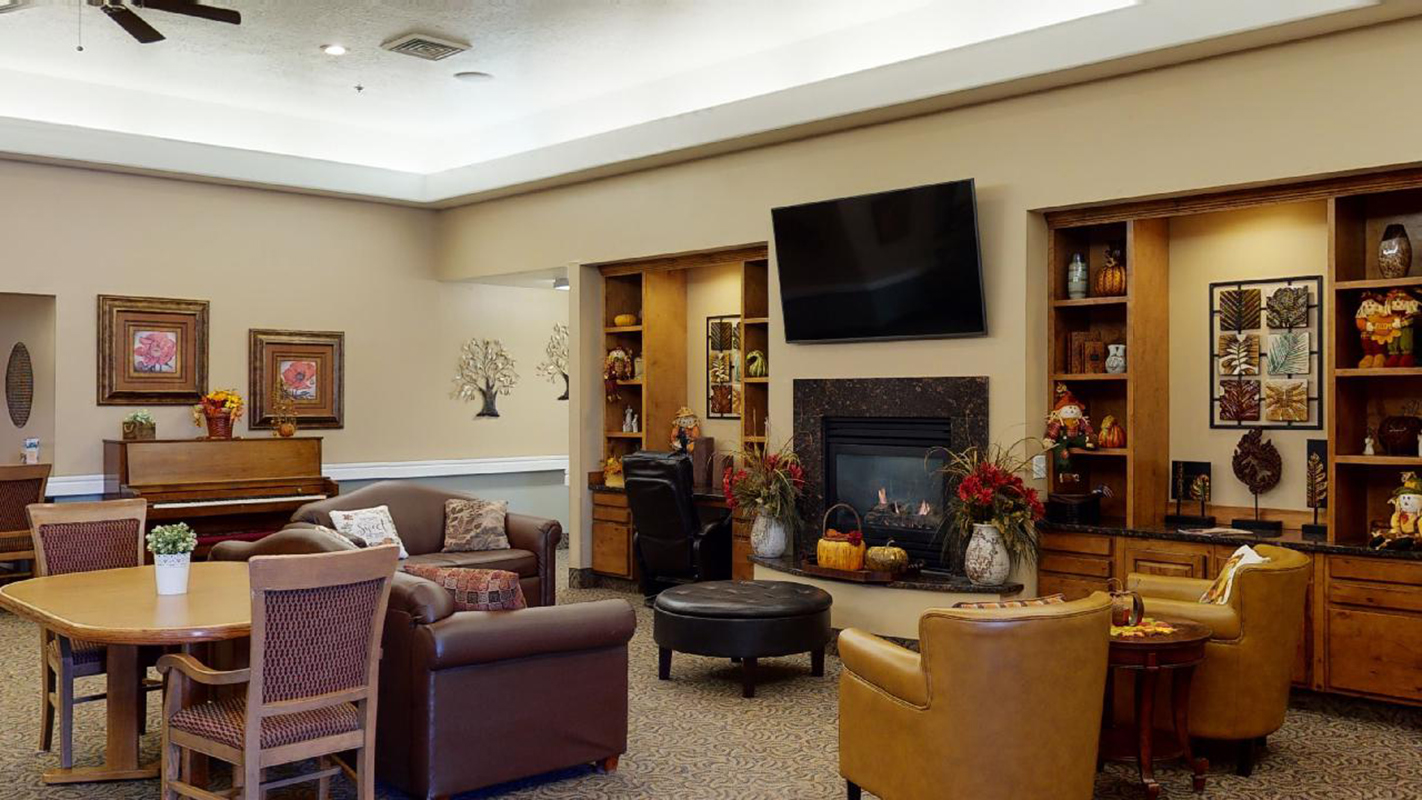
The emotional climate does depend greatly on the leadership. A small home can feel warm and familial, or tense and controlling, depending upon how the administrator treats both homeowners and staff. When you tour, pay as much attention to body movement and tone as to décor. Staff who gently reroute a baffled resident, who understand the story behind the wedding picture on the bedside table, and who joke kindly with one another are strong indicators of a healthy culture.
Respite care in small memory homes
Not every household is prepared for an irreversible relocation. Some are testing the waters of senior care. Others just need a break to rest, travel, or handle medical problems of their own. This is where respite care comes into the picture.
Respite care is short term, usually anywhere from a few days to several weeks. A small memory care home that uses respite can offer households a protected trial duration. The resident gets used to a new environment, and the personnel learns their practices and choices, without the mental weight of "this is forever."
I often motivate households to use respite care before everybody remains in crisis. A week long remain after a prepared surgical treatment for the main caretaker is much easier on the resident than an emergency admission after their caregiver collapses from fatigue. It also provides the family a clear sense of how their loved one finishes with structured dementia care: Does wandering reduce? Does sleep enhance? Exist less mad outbursts when personal care is supplied by someone outside the family?
Many spouses return from that very first respite stay shocked by the change in their own body. They sleep deeply for the first time in months. Their high blood pressure boils down. Their persistence returns. When they pick up their loved one at the end of the respite period, they can see more plainly what the future requires, whether that implies ongoing home care, another respite in a couple of months, or a move into long term care.
When investigating respite care choices, ask really specific concerns: Is the respite visitor included in all activities or kept different? Exist additional costs beyond the day-to-day rate? How are medications handled, particularly if there are as needed prescriptions for anxiety or agitation? In a small home, respite spots can be restricted, so planning ahead matters.
Signs a small memory care home might be the right fit
Families in some cases be reluctant to move toward what sounds like a more "extensive" setting such as memory care. They hope assisted living with some extra assistance will suffice, or that more hours of in home assistance can resolve the issue. There is no one response, but certain patterns suggest that a small memory care home could be worth severe consideration.
Here are a few of the typical signs:
- The person has wandered or attempted to leave home, and supervision is needed around the clock.
- Bathing, dressing, or toileting regularly cause arguments or physical resistance, even with familiar caregivers.
- The current assisted living setting is releasing warnings or suggesting that they "may not be suitable" for the level of care offered.
- The primary caregiver is sleeping badly, feels unable to leave your home, or is overlooking their own medical needs.
- Hallucinations, serious anxiety, or late day agitation ("sundowning") are increasing, and redirecting in the house is no longer working.
None of these immediately suggests a relocation should take place tomorrow. They do, however, signal that the present plan is stretching everybody to the limitation. Visiting a couple of small homes before things reach a boiling point offers you more choices and more time to weigh them.
What good dementia care appears like in a little setting
Quality dementia care is not about having the fanciest building or the most recent electronic gizmos. In small memory care homes that truly help residents grow, numerous practical aspects appear consistently.
Care is individualized, not one size fits all. Staff understand who is relaxed by folding towels, who responds finest to music from the 1950s, who needs an extra snack before bed to sleep well, and who chooses a bath to a shower. That knowledge is documented, shared across shifts, and upgraded as the disease progresses.
Communication is considerate and concrete. Instead of "Do you want to get dressed now?" which can overwhelm somebody with options, you hear "Let us put on your blue shirt, then we will have breakfast." Staff do not argue with delusions. If a resident is encouraged they need to get their kids at school, a great caregiver may state, "The school called, and they are remaining for an additional activity. Let us have some tea while we wait," then shift to a familiar task.
Risk is managed, not eliminated. Complete security is not realistic for anyone. In a little home, the goal is sensible security with significant life. That might suggest permitting a resident with moderate dementia to help in the garden with guidance, even if there is a minor risk of tripping, instead of parking them in front of the tv all afternoon.
Families are partners, not onlookers. Staff routinely request stories about the resident's past, favorite routines, or household customs. Images and biography boards are used as discussion prompts. Households are invited to sign up with for meals or activities when they can, and their observations are taken seriously in care planning.
When those aspects line up, little memory care homes can support surprising minutes of joy: a BeeHive Homes of Draper elder care previous librarian reading aloud from a familiar book, a retired nurse helping to "train" a brand-new staff member in taking a pulse, a long-lasting gardener deadheading flowers on the patio.
Questions to ask when exploring small memory care homes
Brochures and websites will only inform you so much. The genuine test is what you see, hear, and feel when you walk through the front door. To make your visits more efficient, it helps to have a concise set of questions that cut through marketing language and get at day to day reality.
Consider asking:
- What is your normal staff to resident ratio on days, nights, and nights, and who is actually in the structure throughout those times?
- How do you train personnel in dementia care, and how often do they receive continuous education?
- Can you explain how a typical day unfolds for someone at my parent's stage of dementia, from getting up to bedtime?
- How do you manage medical concerns after hours, and which doctors or nurse practitioners recognize with your residents?
- How do you involve families in care choices, and how will you interact with me if something changes?
While you ask, observe quietly too. Do staff call locals by their preferred name? Are individuals dressed in clean, seasonally appropriate clothes? Do you see locals being carefully motivated to eat and drink, or are plates left untouched? Exists a smell of urine that suggests persistent incontinence issues are not managed well?
Your impulses matter. If you leave a tour with a tight feeling in your stomach, even if everything sounded fine on paper, pay attention to that. Alternatively, if you find yourself breathing out and believing, "I could sit here with my mom and have coffee," that is likewise helpful data.
Balancing expense, access, and values
Cost is typically the hardest practical piece. Small memory care homes can be similar to, or sometimes somewhat more costly than, bigger assisted living communities that offer memory care units. They seldom accept Medicaid in the early stages of a stay, though some will enable locals to convert when they have lived there for a specific duration and a bed is available.
Families also should think about location. A beautiful small home an hour away might look enticing, however range wears on both locals and visitors. Being able to stop in for thirty minutes after work, or bring grandchildren for Sunday afternoon visits, supports psychological health on both sides.
Values matter as much as amenities. Some families put a high top priority on faith based environments. Others desire a multilingual personnel. Some hope for a home that invites animals, or has a strong focus on outdoor time. Clarifying what truly matters to your loved one, and to you, will help narrow the field.
Where small homes shine is positioning between environment and the reality of dementia. The closer a setting matches the individual's existing abilities and needs, the more room there is for comfort, dignity, and small day-to-day pleasures.
From making it through to living
Caring for a loved one with dementia is never easy. Even the very best little memory care home will not erase the grief of watching someone modification, or the difficult choices along the way. What it can do, at its finest, is relocation everyone from constant crisis management into a more sustainable, humane rhythm.
For the resident, that might look like days filled with routine, mild business, and work that feels purposeful, even if it is simply sorting napkins. For the household, it may imply sleeping through the night, reclaiming their own medical visits, or being able to bring grandchildren to visit without fretting that a boiling pot is ignored in the kitchen.
The shift from overwhelmed to supported does not come from one grand gesture. It comes from a hundred little, repetitive acts of care, provided in a setting that is sized to discover them. Small memory care homes, when well selected and well run, offer precisely that type of setting, where senior citizens with dementia can still do more than exist. They can, within their altering world, really thrive.
BeeHive Homes of Draper provides assisted living care
BeeHive Homes of Draper provides memory care services
BeeHive Homes of Draper provides respite care services
BeeHive Homes of Draper supports assistance with bathing and grooming
BeeHive Homes of Draper offers private bedrooms with private bathrooms
BeeHive Homes of Draper provides medication monitoring and documentation
BeeHive Homes of Draper serves dietitian-approved meals
BeeHive Homes of Draper provides housekeeping services
BeeHive Homes of Draper provides laundry services
BeeHive Homes of Draper offers community dining and social engagement activities
BeeHive Homes of Draper features life enrichment activities
BeeHive Homes of Draper supports personal care assistance during meals and daily routines
BeeHive Homes of Draper promotes frequent physical and mental exercise opportunities
BeeHive Homes of Draper provides a home-like residential environment
BeeHive Homes of Draper creates customized care plans as residents’ needs change
BeeHive Homes of Draper assesses individual resident care needs
BeeHive Homes of Draper accepts private pay and long-term care insurance
BeeHive Homes of Draper assists qualified veterans with Aid and Attendance benefits
BeeHive Homes of Draper encourages meaningful resident-to-staff relationships
BeeHive Homes of Draper delivers compassionate, attentive senior care focused on dignity and comfort
BeeHive Homes of Draper has a phone number of (801) 495-3100
BeeHive Homes of Draper has an address of 711 Pioneer Rd, Draper, UT 84020
BeeHive Homes of Draper has a website https://beehivehomes.com/locations/draper/
BeeHive Homes of Draper has Google Maps listing https://maps.app.goo.gl/LgtrXf95hQFVgKrY8
BeeHive Homes of Draper has Facebook page https://www.facebook.com/BeeHiveDraper/
BeeHive Homes of Draper won Top Assisted Living Homes 2025
BeeHive Homes of Draper earned Best Customer Service Award 2024
BeeHive Homes of Draper placed 1st for Utah Senior Living Communities 2025
People Also Ask about BeeHive Homes of Draper
What is BeeHive Homes of Draper Living monthly room rate?
Our monthly rates for both Assisted Living and Memory Care at BeeHive Homes of Draper are thoughtfully designed to be all-inclusive. While pricing reflects each resident’s unique care needs, families appreciate that once a rate is established, it remains stable - no hidden fees or surprise increases as care evolves. We believe in clarity, consistency, and peace of mind
Can residents stay in BeeHive Homes of Draper until the end of their life?
In many cases, yes. We are honored to support residents throughout their journey, including end-of-life care, right here in the comfort of our Draper home. There are rare occasions when medical needs exceed our licensing (such as 24-hour skilled nursing) but we’ll always guide families through any transition with care and compassion
Do we have a nurse on staff?
Yes, we do. Our Registered Nurse, Jacque Parker, R.N., works closely with local home health nurses and house-call physicians to coordinate excellent care. This collaboration allows us to meet a wide range of health needs right here at home
What are BeeHive Homes of Draper's visiting hours?
We know how important it is to stay close to loved ones. That’s why visiting hours at our Draper home are flexible and designed around what works best for the resident. You’re welcome to visit during the day... just try not to come to early and stay too late
Do You Offer Rooms for Couples?
Yes, we do! BeeHive Homes of Draper offers select suites for couples who wish to continue living together while receiving care. These shared accommodations preserve comfort and connection while ensuring both individuals get the personalized support they need. Availability is limited, so reach out to learn more
Do You Provide Senior Day Care or Respite Services?
Absolutely. Our senior day care and short-term respite care options are perfect for families who need extra help during the day or while traveling. Guests enjoy the same high-quality care, engaging activities, and home-cooked meals as our full-time residents, all in a safe, social environment. We’ll help you find a care plan that fits your schedule and your loved one’s needs.
What’s the Difference Between Assisted Living and Memory Care?
Assisted living is best for seniors who benefit from help with daily activities but still enjoy socializing and independence. Memory care is a more structured service tailored to individuals with Alzheimer’s or other cognitive conditions, with routines, guidance, and security that support safety and emotional well-being.
Where is BeeHive Homes of Draper located?
BeeHive Homes of Draper is conveniently located at 711 Pioneer Rd, Draper, UT 84020. You can easily find directions on Google Maps or call at (801) 495-3100 Monday through Sunday Open 24 hours
How can I contact BeeHive Homes of Draper?
You can contact BeeHive Homes of Draper by phone at: (801) 495-3100, visit their website at https://beehivehomes.com/locations/draper/ or connect on social media via Facebook
Draper City Park is a beautiful destination where families seeking Assisted living, memory care, senior care, elderly care, and respite care can enjoy quality time together in a peaceful outdoor setting.